

The Art of Logo Design: Building a Timeless Brand Identity
In the dynamic realm of graphic design, the art of logo design stands as a cornerstone in shaping a brand’s visual identity. Beyond the mere combination of colors, shapes, and typography, logo design serves as a powerful catalyst in creating a timeless representation of a brand. In this exploration of the nuanced principles that underpin effective logo design, we delve into the significance of this craft in the broader context of graphic design, uncovering the pivotal role it plays in building a brand’s enduring visual identity. Join us on a journey through the key elements, case studies, and strategies that define the art of logo design, as we unlock the secrets to crafting logos that transcend trends and stand as timeless symbols of brand excellence.
Principles of Timeless Logo Design
As budding graphic designers and creative aficionados, diving into the principles of timeless logo design is like unlocking the magic behind an iconic brand’s visual identity. Picture this – crafting a logo is not just about choosing colors and fonts; it’s about becoming the storyteller of a brand’s journey. In the mesmerizing world of branding, the logo is the protagonist, representing the very essence of a company’s personality and values. This is where the magic begins, my fellow design enthusiasts!
Let’s embark on this creative voyage by understanding the foundational elements that breathe life into a logo. Typography, color schemes, shapes, and symbolism aren’t just design elements; they are the secret sauce that transforms a mere graphic into a symbolic ambassador of a brand’s soul. Think of these elements as the brushstrokes of your artistic canvas – each stroke carefully chosen to evoke emotions, tell a story, and etch a brand’s identity into the hearts of its audience.
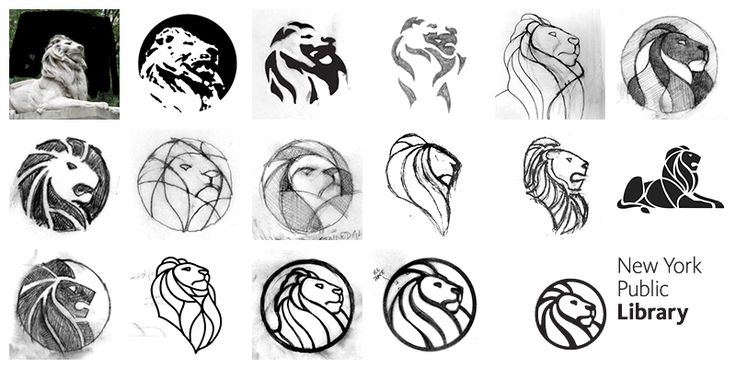
Now, let’s take a closer look at the psychology behind colors and shapes in logos. As a young designer, I vividly recall my eureka moment when I realized that a color palette and the contours of a logo aren’t arbitrary choices; they’re intentional decisions that leave an indelible mark on a brand’s visual identity. Colors evoke emotions, shapes convey messages, and the synergy of these elements determines whether a logo becomes a forgettable graphic or an iconic emblem. Crafting a logo isn’t just about making something pretty; it’s about creating an enduring symbol that resonates with audiences, building brand equity in the process.
Speaking of brand equity, let’s dive into the transformative impact a timeless logo can have on a brand. An iconic logo doesn’t merely grace a company’s stationery – it becomes a revered emblem that influences consumer perception, trust, and loyalty. As emerging design enthusiasts, understanding this symbiotic relationship between logo design and brand equity is akin to possessing a magic wand in our creative arsenal. By mastering these principles, we not only craft visually stunning logos but also contribute to the narrative that shapes the very essence of a brand’s longevity and success. So, let’s embrace the artistry of logo design and embark on a journey where our creative endeavors leave an indelible mark on the ever-evolving landscape of graphic design and branding.
Case Studies
Alright, fellow design enthusiasts, let’s dive into the exciting realm of case studies, where we unravel the secrets behind the logos of classic and modern brands. Picture this as our graphic design time machine, where we journey through the evolution of iconic logos that have shaped the visual landscape of brands across the ages.
Firstly, let’s set our sights on classic brands – the timeless torchbearers of brand identity. Consider Coca-Cola’s iconic red script, or the golden arches of McDonald’s. These logos aren’t just symbols; they are chapters in the history of design, representing longevity, tradition, and an unwavering connection with consumers. As young designers, studying these classics is like peering into the design diaries of maestros. The lesson here is clear – simplicity and consistency are the bedrock of enduring design style. Classic brands teach us that a well-crafted logo is a visual legacy, standing the test of time and resonating across generations.

Now, let’s fast-forward to the present and explore modern brands that have redefined the landscape of logo design. Think Apple’s iconic apple silhouette or Nike’s swoosh – these logos embody the essence of modernity and innovation. As emerging designers, we’re witnessing a shift toward minimalism, where simplicity reigns supreme. Modern brands teach us that a logo doesn’t need to be intricate to be impactful; in fact, it’s often the opposite. A clean, minimalist design style can pack a powerful visual punch, communicating a brand’s identity with clarity and precision. In a world inundated with information, modern logos show us that less can indeed be more.
Let’s not forget that our own design style is an ever-evolving canvas, and these case studies are our guideposts in the journey of creative exploration. Classic brands inspire us to anchor our designs in timeless principles, while modern brands encourage us to embrace the elegance of simplicity. So, as we navigate the colorful tapestry of graphic design, let’s draw inspiration from the lessons of these case studies, weaving our unique threads into the fabric of design history. After all, each stroke of our creative brush contributes to the evolving narrative of logos, leaving an indelible mark on the canvas of design excellence.
Creating Memorable Logos
Now, let’s explore the art of creating memorable logos, a skill that serves as the heartbeat of our journey as graphic design enthusiasts. As young designers, we often find ourselves captivated by logos that transcend the mundane and etch themselves into the collective consciousness. Enter the realm of simplicity – a guiding principle that catapults logos into the echelons of iconic status. Take, for instance, the Apple logo – a minimalist apple silhouette that has become synonymous with innovation. Its simplicity is its strength, paving the way for the brand to achieve unrivaled recognition and iconic status. As we embark on our own logo design endeavors, let’s harness the power of simplicity to create designs that not only catch the eye but linger in the memory.
In our pursuit of memorable logos, versatility emerges as a key player in the design playbook. The ability of a logo to seamlessly adapt across a myriad of platforms and applications is the hallmark of a truly versatile design. Think of the Apple logo again – it graces sleek devices, retail spaces, and marketing materials with equal grace. As emerging designers, understanding the importance of versatility ensures that our creations not only stand out in a digital landscape but also seamlessly integrate into the diverse tapestry of a brand’s visual identity.

Beyond simplicity and versatility, achieving memorable logos involves a delicate dance between design elements that evoke emotions and resonate with the target audience. The Apple logo, for instance, isn’t just an image; it’s a symbol that speaks volumes about the brand’s commitment to innovation and user experience. As young professionals in the making, let’s recognize the narrative power of our designs – each curve, color, and line contributing to a visual story that transcends aesthetics and forges a deep connection with consumers.
In our quest for creating logos that linger in the hearts and minds of audiences, let’s draw inspiration from the timeless success of designs like the Apple logo. Simplicity, versatility, and the power to evoke emotions – these are the ingredients that elevate a logo from a mere graphic to a memorable emblem that leaves an indelible mark on the canvas of brand recognition. As we weave our creative narratives, let’s embrace the challenge of crafting logos that not only catch the eye but endure in the memories of those who encounter them.
Designing for Longevity
As we delve into the paramount concept of designing for longevity, we step into the shoes of strategic architects, shaping not just logos but the enduring narratives of brand relevance. Design trends are like gusts of wind in the creative landscape, ever-changing and dynamic. As emerging designers, our challenge is to craft logos that transcend the ephemeral nature of trends and stand resilient against the passage of time. The Apple logo serves as an exemplary case study here, witnessing the evolution of design trends while maintaining its unwavering presence. By understanding the symbiotic relationship between design elements and brand identity, we become custodians of logos that endure the relentless waves of fleeting trends, securing their place in the annals of design history.
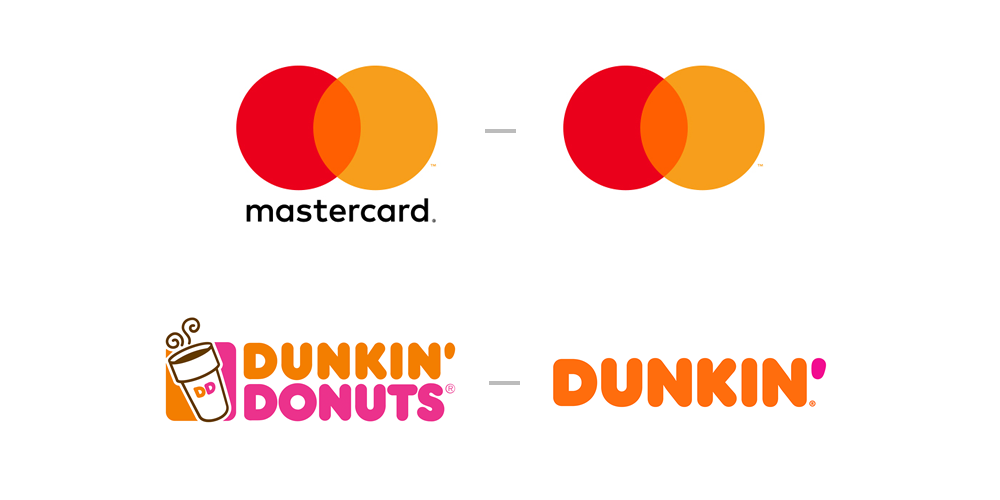
Consider the brand ecosystem as the fertile ground where our logos take root and flourish. Designing for longevity requires a holistic approach, ensuring that our creations seamlessly integrate into the broader visual identity of a brand. The Apple logo isn’t just an isolated graphic; it’s a cornerstone in the brand’s ecosystem, harmonizing with product design, marketing materials, and user interfaces. As we navigate the design landscape, let’s recognize the interconnectedness of our creations within the brand ecosystem, shaping enduring symbols that resonate across diverse touchpoints.
In our pursuit of crafting logos with lasting impact, we become stewards of brand relevance. The Apple logo’s journey from the birth of personal computing to the era of smartphones exemplifies the essence of this stewardship. As we conclude this exploration, let’s carry forth the lessons of timeless designs, infusing our creative endeavors with a sense of purpose and foresight. By embracing the challenge of designing for longevity, we not only contribute to the visual language of our times but also leave an indelible mark on the evolving canvas of graphic design. So, let’s embark on our creative journeys with the confidence that, like the timeless logos we study, our designs too can transcend trends, becoming enduring symbols that resonate across generations.