

Beyond Flat: The Comeback of Skeuomorphic Design in 2023
Hey design enthusiasts, buckle up for an exciting journey into the fascinating world of design trends! Today, we’re turning our attention to a style that’s making a triumphant comeback in 2023 – skeuomorphic design. Now, you might be wondering, what’s the buzz about skeuomorphism? Well, let me spill the creative beans and take you back a bit. Skeuomorphic design is like the seasoned chef of the design world – it’s been around for a while, but it’s making a splendid return to the forefront of user interface design.
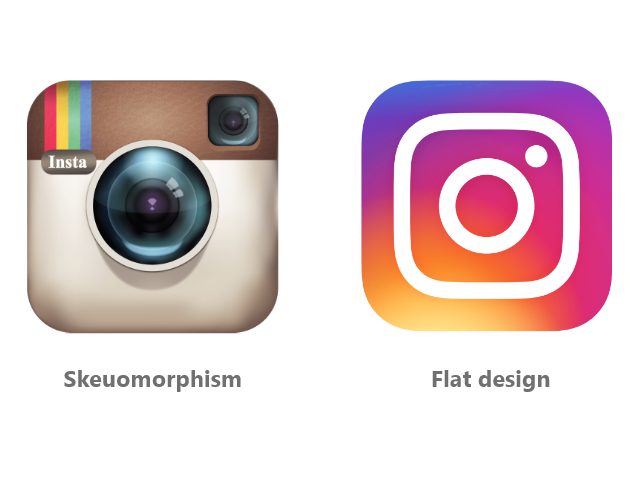
In the not-so-distant past, flat design took center stage, with its clean lines and minimalist vibes becoming the go-to aesthetic for many designers. However, just as trends have a habit of doing, skeuomorphic design is staging a grand comeback. It’s like the phoenix rising from the ashes, bringing with it a wave of nostalgia and a fresh take on how we perceive digital interfaces. What’s particularly intriguing is how skeuomorphic design, with its lifelike textures and real-world elements, is injecting warmth and familiarity back into our digital experiences.
Now, you might recall a little company named Apple pioneering the skeuomorphic movement back in the day. Think leather-bound calendars and notepads on your digital devices – that’s the Apple touch we’re talking about. As a graphic designer, I’ve witnessed the ebb and flow of design trends, and the return of skeuomorphism is like meeting an old friend after years apart. It’s a testament to the cyclical nature of design, where what’s old becomes new again. So, let’s dive together into the resurgence of skeuomorphic design, exploring its roots, its evolution, and how it’s shaking up the contemporary design scene. Get ready for a visual treat and some serious design nostalgia!
The Resurgence of Skeuomorphic Design in 2023
Now, let’s unravel the mystery behind the resurgence of skeuomorphic design in 2023. It’s like witnessing the return of a rockstar – a familiar face that’s back on the design stage, commanding attention and stealing the spotlight. So, what’s the deal with this revival? Well, picture this: as we embraced the sleek simplicity of flat design, something interesting was happening behind the scenes. Designers and users alike started craving a touch of familiarity, a dash of the tangible in our increasingly digital world.
Enter the revival of skeuomorphism, where the digital realm and real-world elements do a tango of design brilliance. In 2023, we’re witnessing a fresh appreciation for the tactile and the textured. Skeuomorphic design is not just about aesthetics; it’s about injecting personality into our digital interfaces. We’re talking about buttons that look like buttons, not just flat shapes on a screen. It’s the return of gradients, shadows, and lifelike textures – elements that breathe life into our digital experiences.
As a graphic designer navigating these design tides, I’m genuinely excited about this resurgence. It’s a reminder that design is a living, breathing entity, ever-evolving and surprising us along the way. The renewed popularity of skeuomorphic design speaks to our innate desire for the tangible in a world dominated by pixels and screens. So, let’s embrace this design comeback, explore the nuances of skeuomorphism, and infuse our digital creations with a touch of the familiar. Get ready for a design renaissance, my friends, where skeuomorphic elements are back in the limelight, and our screens are about to get a whole lot more interesting!
Effective Application of Skeuomorphic Design
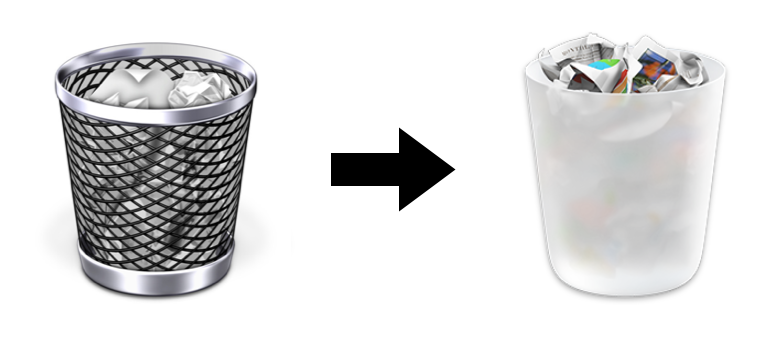
In exploring the effective application of skeuomorphic design, we delve into the strategic utilization of lifelike elements to elevate digital interfaces. As we witness the resurgence of skeuomorphism in contemporary design, it becomes imperative to examine successful case studies that underscore its efficacy. Noteworthy instances abound where designers have seamlessly blended real-world aesthetics with digital functionality, creating visually compelling and user-friendly interfaces.
Consider the case of digital note-taking applications that incorporate skeuomorphic elements such as realistic paper textures, binding edges, and lifelike writing utensils. These design choices not only impart a sense of familiarity but also enhance the user experience by bridging the gap between the physical and digital realms. Such applications demonstrate the potential of skeuomorphic design to evoke a tactile connection, rendering digital interactions more intuitive and engaging.
In contemplating the application of skeuomorphism for enhanced user experiences, designers are presented with a nuanced toolkit. Leveraging skeuomorphic elements strategically involves a delicate balance between realism and functionality. Insights into user behavior, preferences, and expectations become paramount. For instance, integrating skeuomorphic elements like lifelike buttons and textured surfaces can contribute to a heightened sense of interactivity, fostering user engagement.
As designers navigate the landscape of skeuomorphic design, considerations must extend beyond mere aesthetic choices. The judicious application of real-world elements should align with the overall user interface objectives and brand identity. By understanding the inherent principles of skeuomorphism, designers can craft interfaces that not only captivate aesthetically but also enhance usability, resulting in a harmonious fusion of design and functionality. Through the strategic amalgamation of tactile elements and digital prowess, skeuomorphic design emerges as a potent tool for creating interfaces that resonate with users on both visual and experiential levels.
Future Trends in the Horizon
In contemplating the future trends and implications of skeuomorphic design, we peer into the horizon of design evolution. The resurgence of skeuomorphism in 2023 prompts a thoughtful discussion on its potential trajectory in the coming years. As designers, we find ourselves at the cusp of a paradigm shift, where skeuomorphic elements may become integral components in the evolving design language. This resurgence signals not merely a passing trend but rather a recalibration of the design landscape, suggesting a sustained interest in marrying digital interfaces with familiar, real-world aesthetics.
The potential trajectory of skeuomorphic design points towards a synthesis of innovation and tradition. While contemporary design trends often gravitate towards minimalism, the renewed interest in skeuomorphism introduces a counterpoint. Designers may witness a harmonious coexistence of clean, modern aesthetics with tactile, skeuomorphic elements. This trajectory suggests a design future that acknowledges the symbiotic relationship between the physical and digital realms, catering to a diverse audience with varied design sensibilities.

Implications in Design Projects
Considering the broader implications, the integration of skeuomorphism extends beyond mere aesthetics. It delves into the realm of user psychology, establishing a profound connection between the digital experience and the user’s cognitive framework. Skeuomorphic design, if integrated thoughtfully, has the potential to transcend individual interfaces, influencing broader design philosophies. Its implications are not confined to a specific niche but resonate across industries, offering a versatile approach that can be tailored to suit diverse applications.
As we navigate this exciting juncture in design history, it’s crucial to approach the resurgence of skeuomorphic design with a discerning eye. The integration of lifelike elements into digital interfaces should be guided by an understanding of user expectations, brand identity, and the evolving dynamics of the digital landscape. In doing so, designers become architects of a design narrative that not only harkens back to familiar aesthetics but also propels us forward into an era where the fusion of tradition and innovation defines the visual language of tomorrow. Skeuomorphism, with its potential for evolution and integration, emerges as a dynamic force in the ever-shifting sands of design, inviting designers to explore a nuanced approach that embraces the best of both worlds.